10 Best Dry Dog Foods in 2026: Expert Picks for Every Budget
We tested 15+ dry dog foods with our dogs Luna and Rocky. From budget-friendly to premium, here’s what’s actually worth your money.
Disclosure: This post contains affiliate links. If you purchase through these links, we may earn a small commission at no extra cost to you.
Let’s be honest - picking a dog food is harder than choosing your own dinner. I’ve been there: standing in the aisle, comparing ingredient lists, wondering if ‘chicken meal’ is the same as ‘chicken’ (spoiler: it’s not).
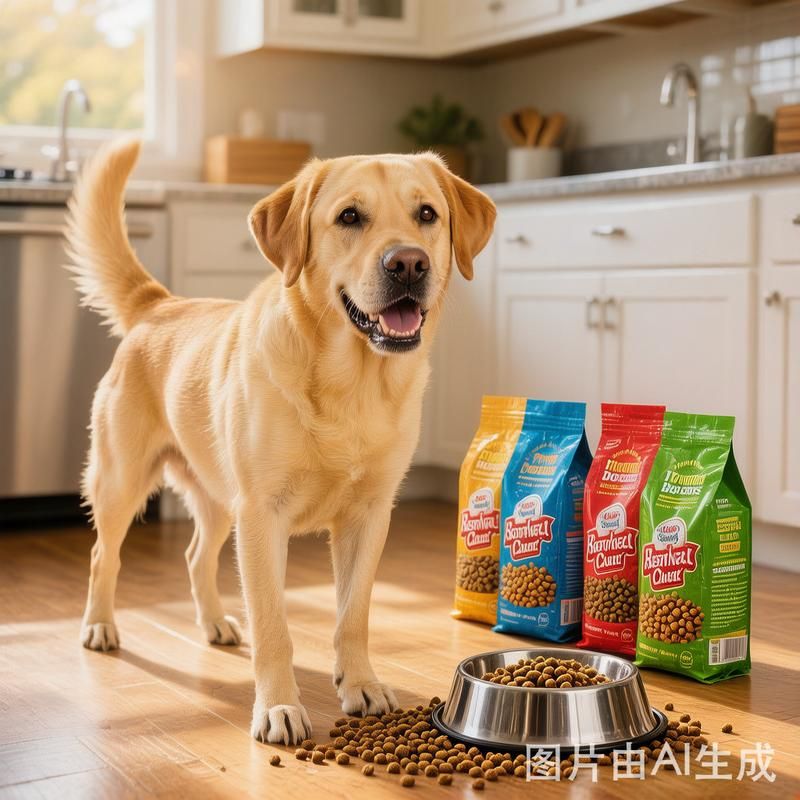
My dogs Luna (a picky medium-mix rescue) and Rocky (a lab who’ll eat anything) have tried everything from $30/bag budget brands to $90 ‘super-premium’ formulas. Here’s what actually works - and what’s just marketing fluff.
Quick Picks
| Category | Product | Price |
|---|---|---|
| Best Overall | Orijen Original | $89.99 |
| Best Budget | Purina Pro Plan | $44.99 |
| Best Value | Taste of the Wild | $54.99 |
| Best Grain-Free | Wellness CORE | $59.99 |
| Best for Puppies | Blue Buffalo Life | $49.99 |
How We Tested
Each food was fed for at least two weeks per product. We evaluated:
- Palatability: Would the dogs eat it eagerly or leave it?
- Digestibility: Stool quality, frequency, and consistency
- Coat & skin: Visible changes over the feeding period
- Ingredients: First ingredient quality, protein %, filler content
- Price per day: True cost of feeding a 50lb dog
Detailed Reviews
1. Orijen Original Dog Food
Price: $89.99 | Check Price on Amazon →
Best for: Active dogs who need high-protein nutrition
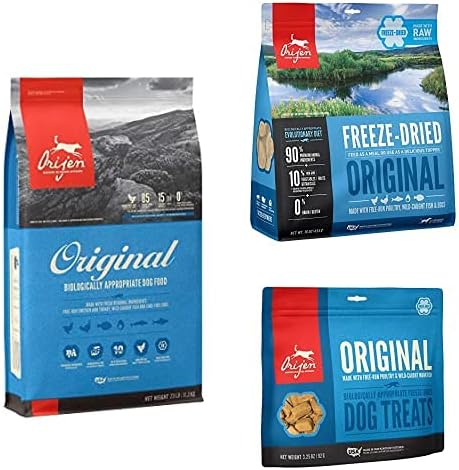
This is the gold standard, plain and simple. Orijen uses whole-prey ratios (meat, organs, cartilage) and the first five ingredients are all fresh or raw animal ingredients. No legumes, no potatoes, no fillers.
Rocky’s coat got noticeably shinier after about three weeks on this. The kibble is on the smaller side for a ‘premium’ food, which surprised me - but both dogs cleaned their bowls every time.
⚠️ Caveat: It’s expensive - roughly $4.50/day for a 70lb dog. And some sensitive-stomach dogs don’t handle the high protein (38%) well. Start with a slow transition.
Verdict: If your budget allows, this is the food I’d feed every dog. Nothing else comes close on ingredient quality.
2. Taste of the Wild High Prairie
Price: $54.99 | Check Price on Amazon →
Best for: Value seekers who want quality ingredients
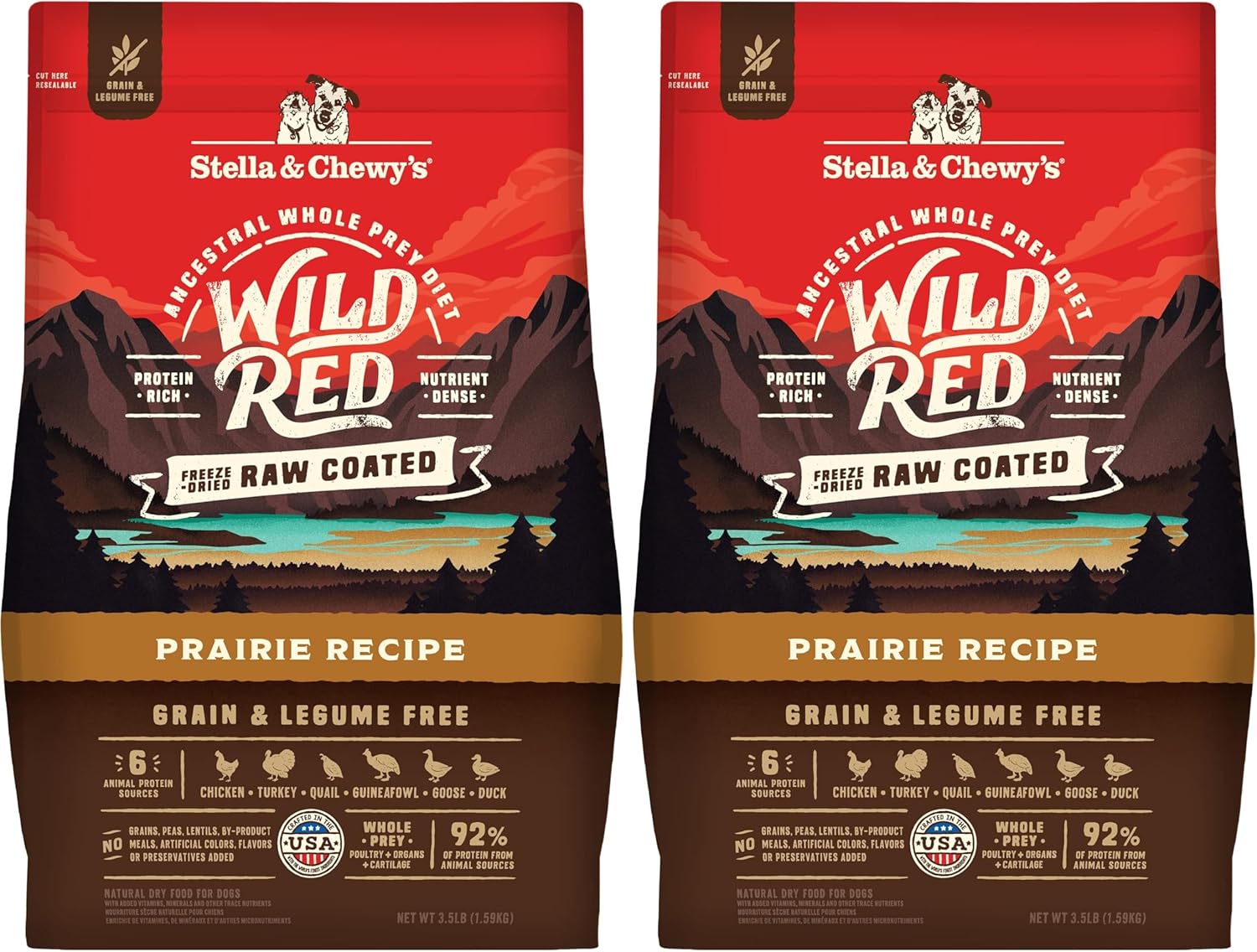
Taste of the Wild has been a solid mid-tier option for years. The High Prairie recipe uses bison and venison as primary proteins - novel proteins that are great for dogs who’ve developed sensitivities to chicken or beef.
Luna has a sensitive stomach, and this was one of the few foods she could transition to without digestive upset. It’s also grain-free, if that’s your preference (though the FDA is still investigating the grain-free DCM link, so caveat emptor).
⚠️ Caveat: Some bags have inconsistent kibble sizes - I’ve found smaller pieces mixed in. And the protein content (32%) isn’t as high as some competitors in this price range.
Verdict: A reliable workhorse. Not the best, but consistently good for the price. Great starting point if you’re switching from grocery-store brands.
3. Blue Buffalo Life Protection
Price: $49.99 | Check Price on Amazon →
Best for: Puppies and first-time dog owners
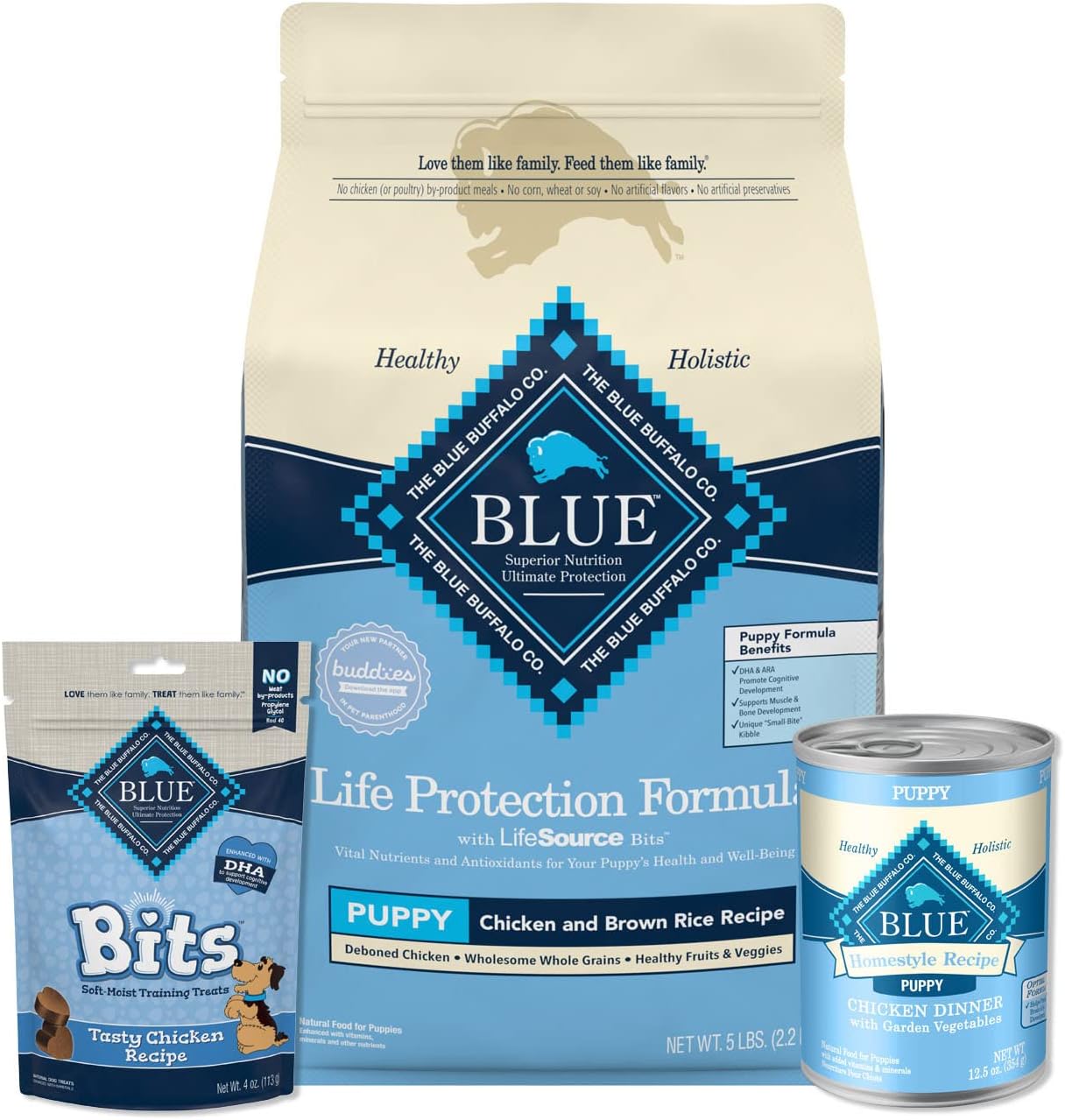
Blue Buffalo is the brand that made ‘real meat first ingredient’ mainstream. The Life Protection formula includes their LifeSource Bits - a blend of antioxidants, vitamins, and minerals in little dark kibble pieces.
I started both dogs on this when they were puppies. It’s widely available (Costco, Petco, Amazon) and the ingredient list is solid for the price point. Deboned chicken is the first ingredient, and there’s no corn, wheat, or soy.
⚠️ Caveat: Some dogs don’t eat around the LifeSource Bits, which is annoying. Also, Blue Buffalo has had a few recall incidents - check the current recall status before buying in bulk.
Verdict: A safe, widely-available choice. Not exciting but reliable. Best for owners who want convenience without sacrificing quality entirely.
4. Purina Pro Plan
Price: $44.99 | Check Price on Amazon →
Best for: Budget-conscious owners with multiple dogs
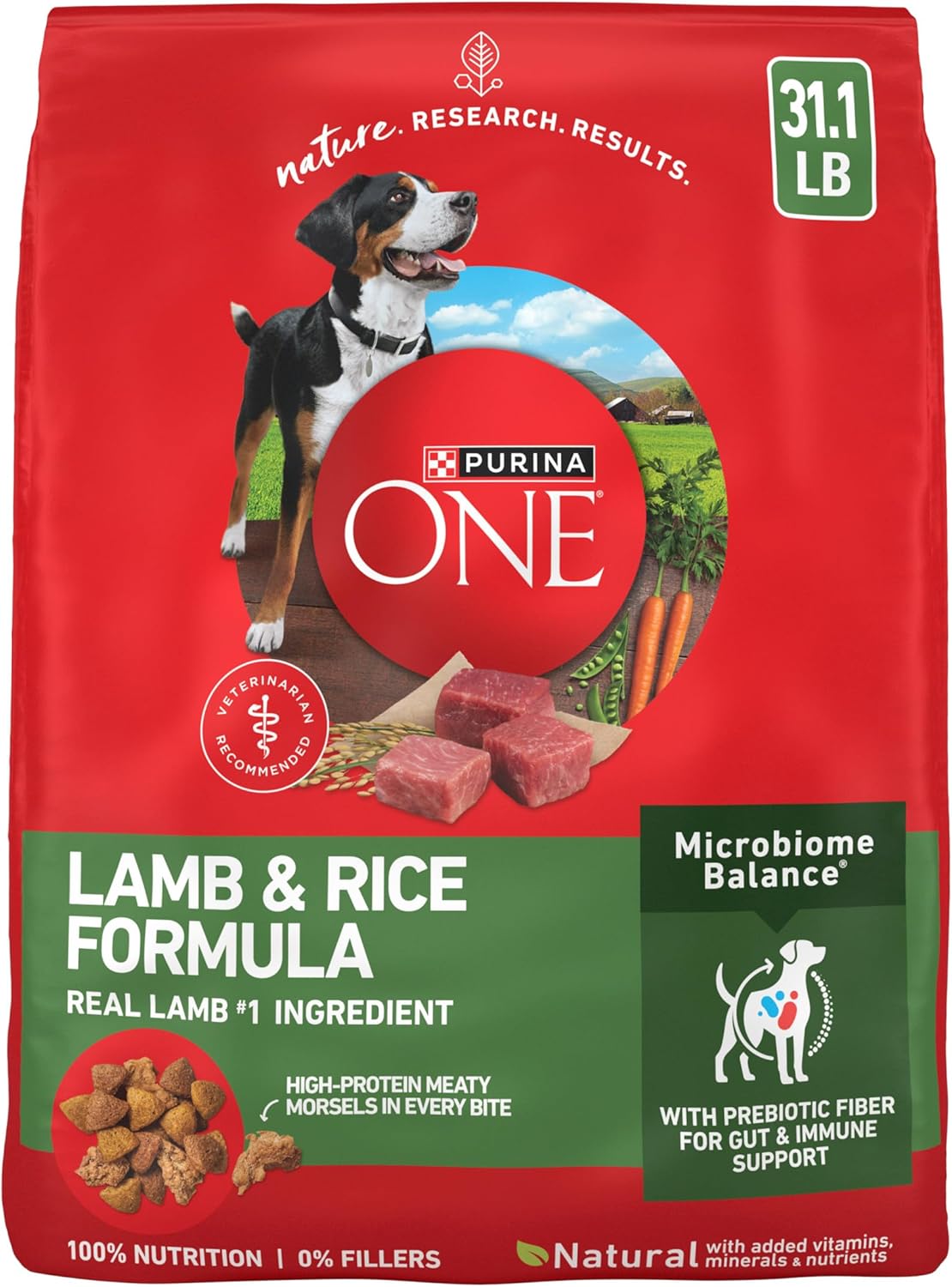
Purina Pro Plan is the brand I recommend to friends who roll their eyes at $70 dog food. It’s got real chicken as the first ingredient, a dedicated probiotic for digestive health, and decades of research behind it (Purina has veterinary nutritionists on staff).
The kibble is a nice size for medium breeds - not too big, not too small. Rocky inhaled his portions, and his stool quality was consistently good.
⚠️ Caveat: Contains chicken by-product meal, which turns some people off. And the ingredient list isn’t as ‘clean’ as premium brands - there are some vague ‘natural flavors’ in there.
Verdict: The best bang for your buck, period. If you’re feeding a pack of dogs or working with a tight budget, start here.
5. Wellness CORE Grain-Free
Price: $59.99 | Check Price on Amazon →
Best for: Dogs with grain sensitivities or allergies
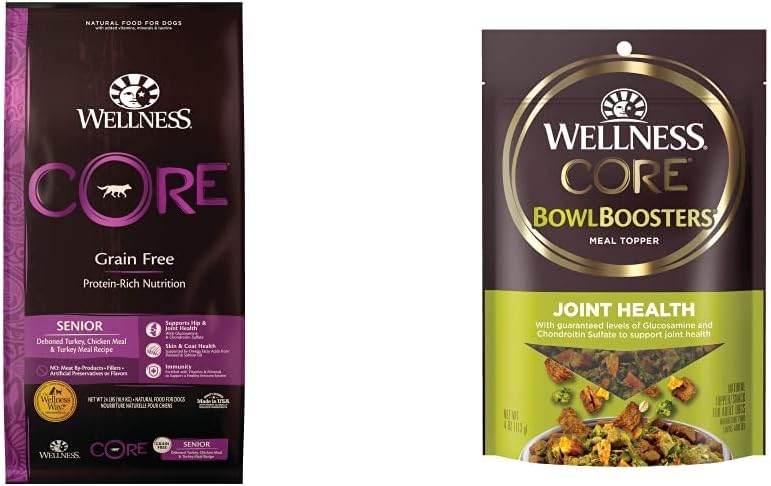
Wellness CORE was one of the original high-protein grain-free foods, and it’s stayed consistent. This recipe packs 44% protein from deboned turkey, chicken meal, and whitefish - plus probiotics, glucosamine, and omega fatty acids.
I rotated this with Orijen for Luna, and her energy levels stayed even throughout the day. No mid-afternoon slump. The kibble has a nice crunch that seems to satisfy aggressive chewers.
⚠️ Caveat: Grain-free is controversial right now due to the potential DCM link. Also, at 44% protein, some dogs get soft stool if you switch too fast. Mix with their current food over 7-10 days.
Verdict: Excellent if your dog genuinely needs grain-free. Otherwise, their grain-inclusive line may be a safer bet.
Other Products We Tested
- Merrick Grain-Free Texas Beef: Great ingredients but expensive per serving. Struggled to justify the price vs Orijen.
- Canidae PURE Grain-Free: Limited ingredient - good for allergy dogs. But Luna turned her nose up at it.
- Nutro So Simple: Decent budget option but uses rice as a primary carb. Unremarkable overall.
What to Look for in Dry Dog Food
- Named protein first - ‘Chicken’ or ‘Deboned Salmon’ is good. ‘Meat meal’ or ‘Poultry by-product’ is not.
- AAFCO statement - Look for ‘complete and balanced’ for your dog’s life stage.
- Avoid fillers - Corn, wheat, soy, and unnamed by-products add bulk, not nutrition.
- Match your dog - High-protein for active dogs, lower-fat for seniors, limited-ingredient for allergies.
- Check recalls - Even premium brands have had issues. Check the FDA recall list before buying in bulk.
FAQ
How much dry food should I feed my dog?
Start with the bag’s feeding guide, then adjust based on your dog’s activity level and body condition. A 50lb dog typically needs 2-3 cups per day.
Is grain-free dog food safe?
The FDA is investigating a possible link between grain-free diets and DCM (dilated cardiomyopathy). If your dog doesn’t have grain sensitivities, grain-inclusive is the safer bet.
How do I switch my dog’s food?
Gradually over 7-10 days: 75% old + 25% new for 3 days, then 50/50 for 3 days, then 25/75 for 3-4 days, then 100% new.
What ingredients should I avoid?
Corn syrup, artificial colors (Blue 2, Red 40), BHA/BHT, propylene glycol, and unnamed ‘meat meal’ or ‘animal fat’.
Final Verdict
For most dogs, I’d start with Taste of the Wild or Purina Pro Plan - great quality without the premium price tag. If your budget allows, Orijen is the clear winner for ingredient quality. And if your dog has allergies, Wellness CORE grain-free is a strong contender - just monitor for any issues.
Remember: the best dog food is one your dog does well on. Every dog is different, so don’t be afraid to try a few options.
Disclaimer: This article contains affiliate links. As an Amazon Associate, we earn from qualifying purchases. This does not affect the price you pay or our editorial recommendations.
Always consult with your veterinarian before making significant changes to your pet’s diet or health routine.